Clinical Care

Clinical experiences shaping my path to medicine.

My clinical experiences have shown me how different patient care can look depending on the setting. From the emergency department to street medicine and in-home support, each role has given me a different view of what patients need and how much good care depends on communication, trust, and adaptability.

01

Cottage Health, Emergency Department Scribe

Santa Barbara, CA | About 500 hours
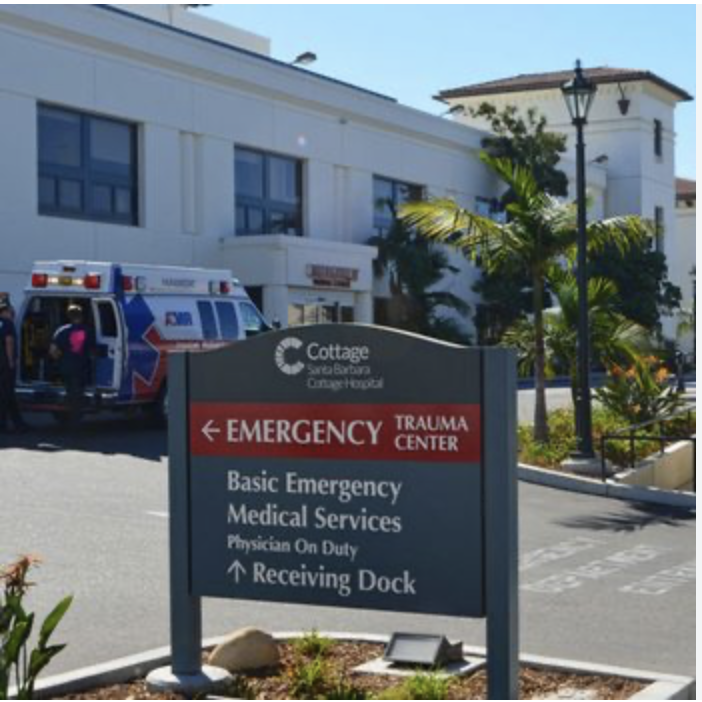
Cottage Health emergency department entrance sign

Working as an ER scribe has given me a much better idea of what the day-to-day work of medicine involves. After about 500 hours in the emergency department, I have had the chance to follow hundreds of patient encounters from the initial history through testing, treatment, and eventual discharge or admission. I work closely with emergency physicians and document their medical decision-making, which has let me see how quickly they have to think when they do not have all the answers right away. More than anything, I have enjoyed seeing how physicians balance the medical side of a case with communicating clearly with patients and families. Spending this much time in the ER has made medicine feel much more real to me and has strengthened my interest in becoming a physician.

Acute careMedical documentationPhysician communication

02

Devereux Behavioral Health, Personal Attendant

Santa Barbara, CA | About 500 hours

Devereux Behavioral Health logo

My work at Devereux has been one of my longest and most personal caregiving experiences. Over roughly 500 hours, I worked one-on-one with neurologically diverse adults in their homes, helping with daily routines while also respecting their independence. Because I spent so much time with the same people, I was able to build relationships that were very different from the shorter interactions I have had in other healthcare settings. It taught me a lot about patience, communication, and learning what works best for each individual. I also learned that caring for someone does not always mean solving a medical problem. Sometimes being reliable, patient, and present can be just as important.

Behavioral healthNeurodivergenceConsistent support

03

Doctors Without Walls, Street Medicine

Santa Barbara, CA | About 100 hours

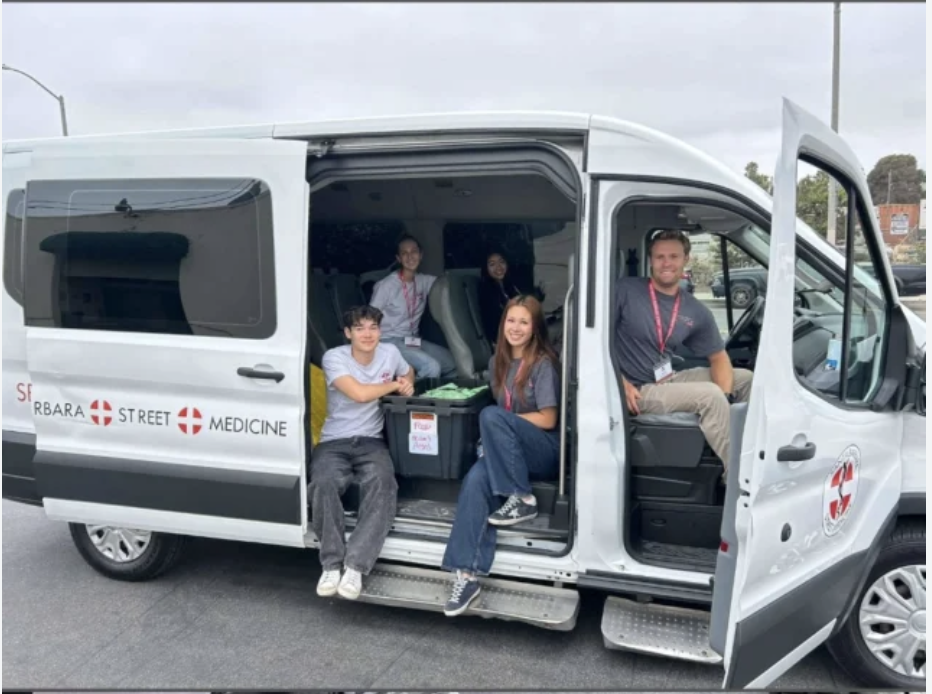
Santa Barbara Street Medicine outreach team at the van

Through about 100 hours with Doctors Without Walls, I have been able to see a side of healthcare that I probably would not have understood from working in a hospital alone. I volunteer with street medicine teams that provide care to unhoused people around Santa Barbara, helping prepare supplies and assisting physicians during outreach. One of the biggest things I have learned is that access to healthcare is much more complicated than simply having a hospital nearby. Housing, transportation, finances, and trust can all determine whether someone receives care at all. This experience has made me think more seriously about healthcare access and the importance of meeting patients where they are.

Community outreachStreet medicineHealthcare access